“Unlock the Power of CRM with Intuitive User Interfaces”
Understanding the user interface in CRM software is crucial for effectively utilizing its features and functionalities. The user interface serves as the bridge between the user and the CRM system, allowing users to navigate, interact, and access the various tools and data within the software. This introduction will provide an overview of the importance of understanding the user interface in CRM software and highlight key elements that users should be familiar with to maximize their productivity and efficiency.
The Importance of User Interface in CRM Software
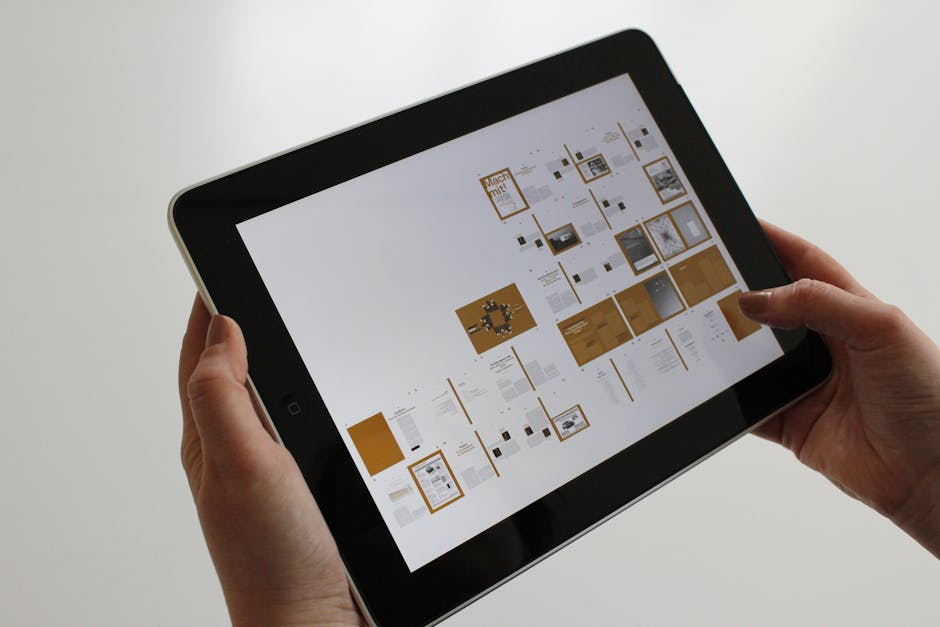
Understanding the User Interface in CRM Software
When it comes to customer relationship management (CRM) software, one of the most important aspects to consider is the user interface. The user interface is the visual representation of the software that allows users to interact with it. It includes everything from the layout and design to the navigation and functionality. In this article, we will explore the importance of user interface in CRM software and why it is crucial for businesses to understand and prioritize it.
First and foremost, a well-designed user interface is essential for user adoption. If the interface is confusing, cluttered, or difficult to navigate, users will be less likely to embrace the software and fully utilize its features. On the other hand, a user-friendly interface makes it easier for employees to learn and use the CRM software, increasing their productivity and efficiency. This, in turn, leads to better customer service and improved business outcomes.
Furthermore, a good user interface enhances the overall user experience. When users find the software intuitive and easy to use, they are more likely to enjoy using it and feel satisfied with their interactions. This positive experience can foster a sense of loyalty and engagement among employees, leading to increased motivation and job satisfaction. Ultimately, a well-designed user interface can contribute to a positive work environment and a more productive workforce.
In addition to user adoption and user experience, the user interface also plays a crucial role in data accuracy and integrity. A clear and organized interface makes it easier for users to input and access data, reducing the likelihood of errors and inconsistencies. This is particularly important in CRM software, where accurate and up-to-date customer information is vital for effective sales and marketing strategies. A user-friendly interface ensures that employees can easily find and update customer data, leading to more accurate reporting and analysis.
Moreover, a well-designed user interface can also improve collaboration and communication within an organization. CRM software often involves multiple users from different departments working together to manage customer relationships. A user interface that facilitates easy communication and collaboration can streamline workflows and ensure that everyone is on the same page. This can lead to better coordination, faster response times, and ultimately, improved customer satisfaction.
Lastly, a user-friendly interface can save businesses time and money. When employees can quickly and easily navigate the software, they can complete tasks more efficiently, reducing the time spent on manual data entry and administrative work. This increased efficiency translates into cost savings for the organization. Additionally, a user-friendly interface reduces the need for extensive training and support, further saving businesses time and resources.
In conclusion, the user interface is a critical component of CRM software. It impacts user adoption, user experience, data accuracy, collaboration, and overall productivity. By prioritizing a well-designed and user-friendly interface, businesses can ensure that their CRM software is effectively utilized, leading to improved customer service, increased efficiency, and ultimately, better business outcomes.
Q&A
Q: What is the user interface in CRM software?
A: The user interface in CRM software refers to the visual layout and design that allows users to interact with the system and access its features and functionalities.In conclusion, understanding the user interface in CRM software is crucial for effective usage and maximizing its benefits. A well-designed and intuitive user interface allows users to navigate the software easily, access relevant information quickly, and perform tasks efficiently. It enhances user experience, increases productivity, and ultimately contributes to the success of CRM implementation within an organization.