Planning a mountain lodge stay in the Alps sounds simple until you actually sit down with a calendar. Should you chase deep snow in February, wildflower trails in June, or gamble on a quiet shoulder month for a better rate? Each option changes what you pay, how busy the slopes or trails feel, and what you actually see out of your window.
This guide breaks the decision down month by month. We cover the winter season from December to April, the summer lodge season from June to September, and the quieter shoulder months of May, October and November. You’ll also find practical advice on how far ahead to book, what lodge rates typically look like by season, and how to match the timing to your travel style. By the end, you should be able to pick the month that gives you the right mix of snow, scenery and price.
Winter: December to April for a Snow-Focused Mountain Lodge Stay
If your trip revolves around skiing, snowboarding or simply watching snow fall from a hot tub, aim for the heart of the Alpine winter. The core ski season runs roughly from late November to mid-April, though glacier areas often stay open longer. For the most dependable snow cover, January through March is your safest window, when most resorts have their full terrain open and lower slopes hold up well.
When to expect crowds and high prices
Not all winter weeks are equal. The Christmas to New Year period and the February half-term school holidays are the busiest times on the slopes and in the lodges. Rates during these peak weeks typically run 30–50% above shoulder weeks, and villages fill up fast. If you want a lively, festive atmosphere and don’t mind sharing the mountain, these weeks deliver plenty of atmosphere — but book well ahead and expect to pay for it.
For a calmer experience, target the quiet pockets of the season. The weeks after New Year in January and mid-March offer a sweet spot: snow is usually still in good condition, lift lines are shorter, and lodge rates drop noticeably compared with the holiday periods. Mid-March also brings longer daylight hours, which means more time on the mountain and gentler temperatures for lunch on a sunny terrace.
One caveat: late-season snow can vary from year to year, so if you plan a March trip, check recent snow reports and the resort’s projected closing date before committing.
Summer: June to September for Hiking and Alpine Views
From June to September, the Alps flip into their summer mode, and it is a completely different experience from the ski months. Hiking trails are open from valley level up to the high routes, cable cars and gondolas run on extended schedules, and daytime temperatures are typically mild and comfortable for walking. Wildflowers peak in early summer, and by September the light turns golden and the air feels crisp — ideal conditions for photographers.
Most mountain lodges also switch to their summer season during this window. You can expect restaurants and terraces to be open, luggage transfers and shuttle services to operate more reliably, and staff on hand to help plan day hikes. If you want a lodge stay built around being outdoors rather than on the slopes, this is the stretch of calendar to target.
Why July and August cost more
July and August are the busiest and priciest summer months. European school holidays drive family demand, trailheads and cable car stations get crowded, and lodges charge their top summer rates. You will still find space if you book early, but popular valleys in Switzerland, France, Austria and Italy can feel busy, and parking at popular trailheads fills up fast on fine weekends.
June and September are the smart alternative. You get largely the same scenery — open trails, working lifts, green or golden meadows — with noticeably fewer visitors and lower nightly rates. The weather is slightly less predictable at the edges of the season, so pack layers and check lift operating dates before you commit. For many travelers, a mid-June or mid-September week delivers the best balance of conditions, quietness and price that the Alpine summer has to offer.
Shoulder Seasons: May, October and November
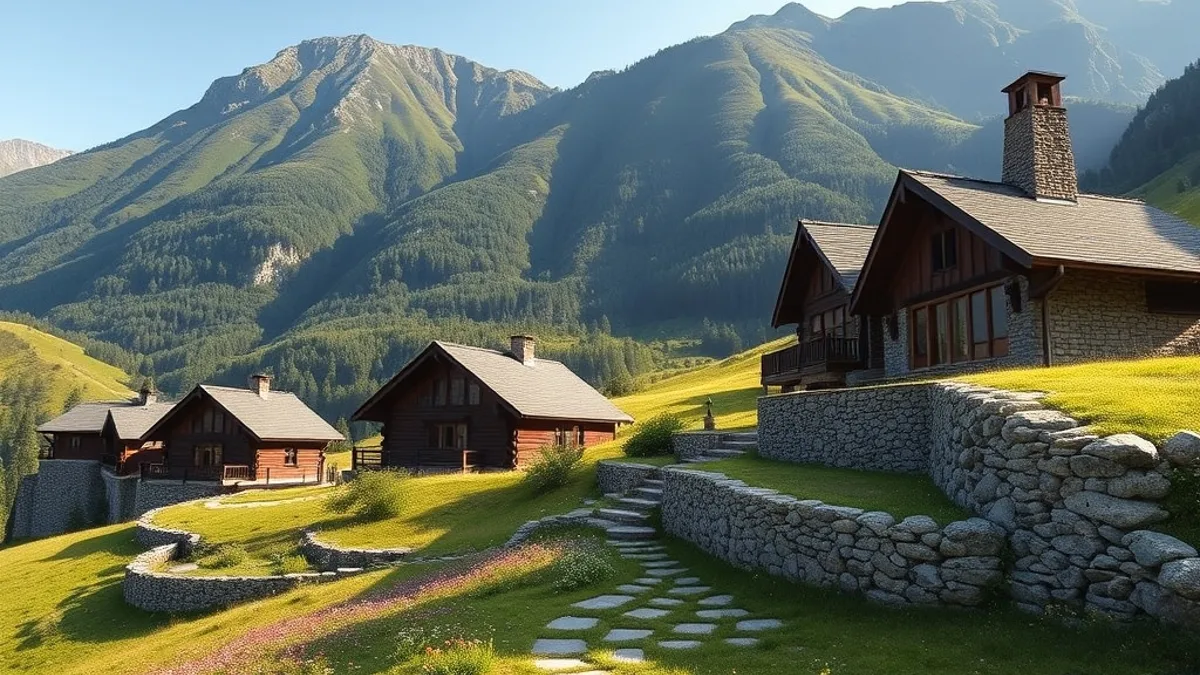
The quiet stretch between the two busy lodge seasons brings a real trade-off. Many alpine lodges shut down entirely or run with reduced services in late spring and late autumn, since these weeks fall after the winter ski season ends and before summer operations begin, or after summer finishes and before snow arrives. Some villages feel almost empty, which is exactly the appeal for certain travelers.
If you dream of quiet lanes, empty trails and locals who have time to chat, these in-between weeks can be wonderful. Rates are typically the lowest of the year, and you will often have viewpoints and valley walks to yourself. The catch is practical: expect limited dining options, closed cable cars and reduced shuttle or lift services. You may need a car, and you should confirm that your lodge’s restaurant is open rather than assuming half-board is available.
Closure patterns vary enormously from resort to resort, so checking opening dates before booking is essential. A lodge that runs year-round in one valley may sit just a short drive from another that closes for several weeks in November.
- Ask about kitchen and bar hours directly. Even lodges that stay open often cut back to breakfast only or open their restaurant on weekends, so an email before booking saves an unpleasant surprise.
- Verify lift and cable car operation separately from the lodge. Summer lift networks and winter ski lifts have different operating calendars, and the gap between them can leave hikers without uphill transport in May or late October.
- Look for spa-focused lodges. Wellness-oriented properties are more likely to stay open through quiet periods, since guests come for the facility rather than the slopes or trails.
- Consider glacier areas for late-season snow. A few high-altitude ski areas typically operate beyond the regular season, which can stretch skiing into May or resume it in autumn.
How Far Ahead to Book Your Lodge
Timing matters just as much as season when it comes to securing a lodge with the view, room type and board arrangement you actually want. Alpine lodges are small properties, often with only a handful of rooms, so the best options disappear early. Rates in the busiest winter weeks climb well beyond what you would pay in quieter periods, and the most desirable family rooms and chalet-style suites are usually the first to go. Here is a simple timeline to work from.
- Count back 4–6 months for a winter stay. If your trip falls over Christmas, New Year or February half-term, booking at the six-month mark gives you the widest choice of lodges and room types. This is especially important if you need space for a family or want a specific view.
- Allow 2–3 months for summer stays. The summer lodge season runs June to September, and demand is softer than in winter. Two to three months of lead time is usually enough for July or August, when lodges fill steadily but rarely sell out as early.
- Shorten the lead time if you target June or September. These months combine open trails and mild weather with lower prices, and lodges often still have availability closer to your travel dates. A month or so ahead can be enough, though booking earlier never hurts.
- Use last-minute deals with realistic expectations. January after New Year and mid-March are quieter, lower-rate periods, and some lodges discount unfilled rooms close to arrival. The trade-off is limited choice: you may have to accept a smaller room, a less central lodge or flexible dates.
One practical habit: once you have picked your dates, check cancellation terms before committing. Many lodges offer free cancellation up to a set number of weeks before arrival, which lets you lock in a room early and rebook if a better rate appears. If you are set on a specific lodge rather than a specific week, contacting the property directly a few weeks before their booking calendar opens can also pay off, as some hold returning guests’ reservations first. A short, polite email asking about expected availability for your dates often gets a helpful reply and can reveal options that never appear on booking platforms.
What a Mountain Lodge Stay Costs by Season
Lodge rates in the Alps swing more than most travelers expect. In quieter shoulder weeks, you can often find a double room for around €150 per night. During peak winter weeks, the same room can easily climb past €400 per night, especially in well-known resorts with ski-in access. That gap means shifting your dates by a week or two can cut your accommodation bill roughly in half.
Peak pricing follows the school calendars. Weeks that overlap with school holidays in Switzerland, France, Austria and Germany see rates jump sharply, and rooms in smaller lodges can sell out months ahead. If your dates are flexible, avoid those weeks entirely; if not, expect to pay a premium and book early.
Half-board can stretch your budget
Many Alpine lodges offer half-board, which bundles dinner and breakfast into your room rate. In resort areas, restaurant dinners can be expensive, so a half-board deal often works out cheaper overall than paying for meals separately. It also saves you the hassle of finding a table in busy villages during peak weeks.
Before booking, ask what half-board includes. Some lodges serve hearty regional set menus, while others offer a choice of courses. If you plan to eat out a few evenings anyway, compare the half-board supplement against typical local dinner prices to see whether it truly saves money for your style of travel.
Matching the Season to Your Travel Style
The right month for an Alpine lodge stay depends less on the calendar and more on what you actually want to do once you get there. A snowboarder chasing fresh lines and a family with young children are looking for completely different trips, even if they end up in the same valley. Matching your travel style to the season is the simplest way to avoid paying peak prices for conditions you do not need.
If skiing or snowboarding is the main goal, aim for mid-January or mid-March. Both weeks typically combine solid snow cover with quieter lifts and noticeably lower rates than the holiday periods. February is the safer bet if deep, reliable snow matters more than price or space on the slopes, especially at lower-altitude resorts where snow depth can vary later in the season.
Hikers and photographers get the best of the mountains in June or September. Trails are open and generally mud-free, cable cars run on full schedules, and the light is softer and clearer than at the height of summer. September in particular brings golden larches at higher elevations and long, calm mornings that suit landscape photography.
Families usually do best during school holiday weeks, when lodges run kids’ clubs, family rooms and child-friendly menus at full capacity. The trade-off is demand: those weeks fill fastest, so booking around six months ahead is the practical rule of thumb.
- Skiers on a budget: mid-March often brings longer daylight for après-ski and spring snow conditions in the afternoon, while mid-January offers the coldest, driest powder of the season.
- Photographers: June gives you snow still clinging to the high peaks above green meadows, a combination you will not find in September.
- Families with teenagers: consider ski weeks outside school holidays if your school calendar allows it, as lift passes and lessons cost less and group sizes shrink.
- Mixed groups: late-season weeks can work well when part of your group skis and part hikes, since lower trails are often walkable while upper slopes stay open.
Choosing Your Ideal Alpine Timing
So, which month is right for your Alpine lodge stay? It comes down to what you want most. If snow is the priority, aim for winter and book 4–6 months ahead, remembering that January and mid-March often deliver the best balance of conditions and price. If hiking and open trails appeal more, summer between June and September is your window, with 2–3 months of lead time usually enough.
Flexible travelers have a third option: the quieter shoulder months, where rates drop and villages calm down, provided you accept some closures and reduced services. Weigh the season, your budget, and how many crowds you can tolerate together, and the right month usually becomes obvious. Once you have picked your timing, the rest is simply booking early and packing for the mountains. Found this helpful, or have a favorite month for the Alps? Share your thoughts in the comments or pass this article along.