You want a weekend under the stars, but every time you browse accommodation options you hit the same dilemma: glamping vs traditional camping. On one side, a canvas tent with a proper bed and a wood stove, often costing several times what you’d pay to pitch your own. On the other, a basic campsite and a car full of gear. Both promise fresh air and campfires, yet the experience, the price tag and the packing list couldn’t be more different.
This guide breaks the decision down so you can choose with confidence. We’ll look at what glamping actually is (and what it isn’t), compare costs from basic campsites to high-end lodges, and weigh comfort and amenities side by side. You’ll also find practical advice on gear and packing, when to go and how far ahead to book, plus how to match the style to your trip. By the end, the bottom line will make the choice clear.
What Glamping Actually Is (and What It Isn’t)
Glamping is shorthand for “glamorous camping,” and at its core it means one thing: the accommodation is already set up when you arrive. Instead of pitching a tent, you walk into a safari tent, yurt, geodesic dome or small cabin that someone else has built and furnished. Inside, you’ll usually find real beds with proper mattresses, linens, and often electricity for lights and charging your phone.
Most glamping units go a step further than just shelter. A private or semi-private bathroom is common, either en-suite or a short walk away and reserved for your unit. Many sites add heating for cooler nights, and some provide a small kitchen area or a breakfast service. The exact mix varies a lot between operators, so it pays to read the unit description carefully before you book.
It’s still not a hotel
Don’t expect a hotel experience just because there’s a bed. The walls are often canvas, which means you’ll hear the wind and rain clearly, and insulation can be thin. Grounds are usually shared with other guests, and temperatures inside can swing with the weather outside. Glamping softens the outdoors; it doesn’t remove it.
Traditional camping is the opposite approach: you bring everything yourself and set it all up. That means your tent, sleeping bags, sleeping pads, stove, cooler and lighting all travel with you, and you take it all down again when you leave. It’s more work, but it also gives you complete independence over where you stay and how you live outdoors.
Cost Breakdown: Glamping vs Traditional Camping
Money is where these two styles diverge most sharply. A pitch at a traditional campsite typically runs $15-40 per night for two people, and if you already own your gear, that’s essentially the whole cost. Glamping works differently: mid-range tents usually cost $120-300 per night for two, which puts them roughly 5-10 times above a basic campsite pitch. At the top end, luxury glamping lodges can exceed $500-1,000 per night, putting them in the same price bracket as a boutique hotel rather than anything resembling camping.
Food is the cost line most people forget. Campers cook their own meals on a stove or fire, so a five-night trip might mean a single grocery run. Many glamping sites either charge separately for dinner or offer only breakfast, which pushes you toward local restaurants and can quietly add a significant amount to the bill.
Over a five-night trip for a couple, the gap between the two styles can easily reach $600-1,300 once you compare pitches against tents and factor in meals. That’s real money, and it’s worth breaking down where it goes:
- Accommodation: the largest chunk by far — five nights at $120-300 for a mid-range glamping tent versus five nights at $15-40 for a campsite pitch.
- Meals: campers pay grocery prices for every dinner; glampers may pay restaurant prices for most of them if the site doesn’t include full board.
- Equipment: with traditional camping, any gear you still need to buy — even a few missing items — shifts the math in glamping’s favor for a first trip.
- Extras: some glamping operators charge separately for firewood, hot tub access, activities or cleaning, so read the booking summary before assuming the nightly rate is final.
- Transport and site fees: both styles can involve park entrance or reservation fees, and remote glamping sites may sit further from shops, adding fuel costs.
Comfort and Amenities Compared
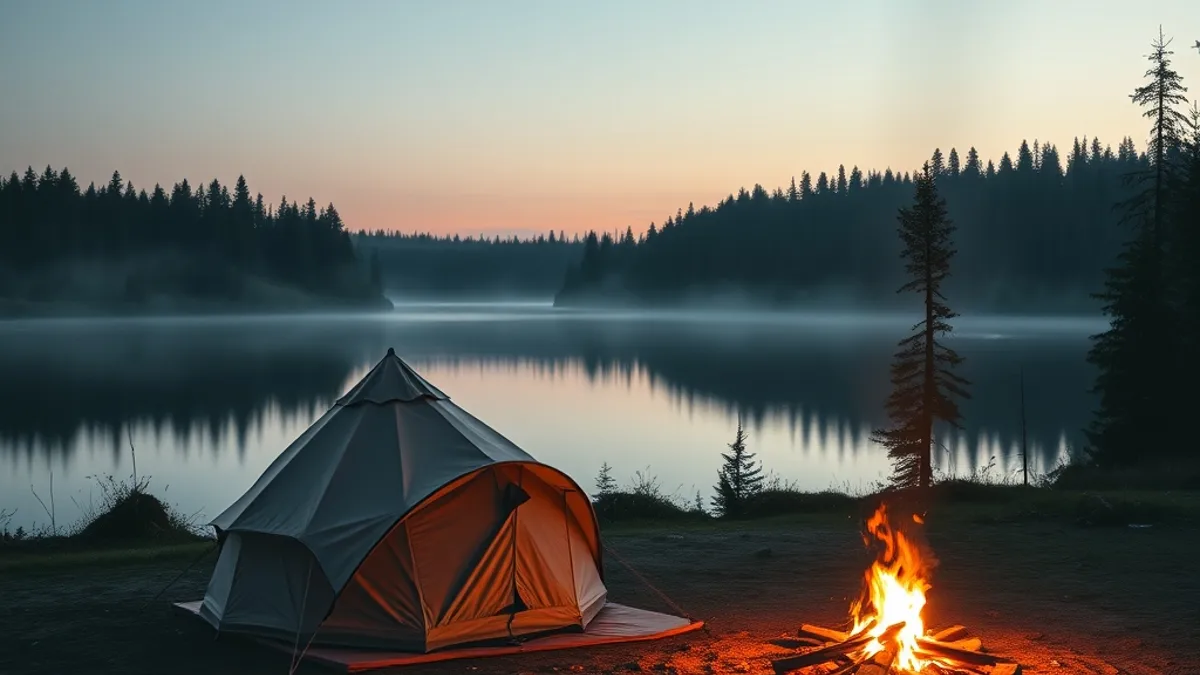
Comfort is where the two styles diverge most sharply. In a glamping tent, you sleep on an actual mattress with proper bedding, flip a switch for light, and warm up with a heater when the night turns cold. Most units include an en-suite bathroom, or at least a private one a short walk away, so you never queue at a communal shower block.
Traditional camping comfort depends almost entirely on what you bring. A thick sleeping pad, a bag rated for the conditions and a well-chosen pitch on flat, sheltered ground can make a tent surprisingly pleasant. Skimp on any of those, and a night on lumpy ground with a cheap bag will remind you of every dollar you saved.
Weather resilience
Weather is the real test. A heated glamping tent with solid flooring and real insulation handles a night of rain or a cold snap without drama. Basic nylon shelters cope, but condensation, wind flap and chilly floors are part of the deal, and a wet morning means packing up damp gear.
There’s also the labor question. Glamping removes setup and teardown entirely, saving roughly 1-2 hours on each side of your trip. After a long drive or a big hike, arriving to a made bed is no small thing.
Privacy works the other way around. Glamping sites often cluster their units fairly close together for practical reasons like power and plumbing, so you may hear neighbors through the canvas. Walk-in campsites, especially those a short hike from the road, can feel far more secluded than any tented lodge.
Gear, Packing and Preparation
Traditional camping comes with a real upfront cost: gear. A workable starter kit typically runs $150-400, covering a tent, sleeping bags, sleeping pads, a small stove, a cooler and headlamps. The good news is that this is mostly a one-time purchase, and the gear lasts for years if you store it dry and treat it well.
Glamping flips the equation. The accommodation arrives pre-pitched with beds and, usually, bedding, so your packing list shrinks to clothing, toiletries and maybe a torch. One practical step before you leave: ask the operator whether towels and bed linens are provided, because a few budget-friendly sites expect you to bring your own. It’s a five-minute email that saves an awkward arrival.
Preparation also looks very different. Campers should plan meals, fuel and water storage well in advance, since a remote pitch may have no shop within driving distance. Glampers usually only need snacks and drinks for the road, with meals either cooked on site or provided.
Whichever style you choose, pack layers. Nights drop sharply even in summer, especially above 1,000 m in alpine areas, so a warm mid-layer and a proper jacket earn their space in any bag.
- Test your tent and stove at home before the first trip; discovering a broken pole or empty gas canister at a dark campsite is a classic rookie mistake.
- Bring a headlamp per person rather than one shared light, plus spare batteries, since moving between tent and toilets after dark is inevitable.
- Pack a dry bag or waterproof stuff sacks for electronics and spare clothes, because dew, rain and river splashes find their way into everything.
- For glamping, slip in a pair of slip-on shoes or sandals for walking between your tent and the bathroom block on grass or gravel.
- A small power bank keeps phones alive at sites where sockets are limited or only available in a shared reception area.
When to Go and How Far Ahead to Book
Timing shapes both styles more than most travelers expect. In alpine regions, glamping season runs roughly May to October, and many sites close entirely in winter. A heated dome that sounds dreamy in January may simply not exist as a bookable option until spring, so plan your trip around the operating window rather than the calendar.
Traditional campsites in temperate climates stay open longer, and hardy campers pitch year-round. If you own a four-season tent and warm sleeping bag, the off-season brings empty grounds and quiet trails that summer visitors never see.
Booking lead times
Glamping units are limited in number, so popular domes and safari tents sell out first. For summer weekends, book 2-4 months ahead; later than that, you’re choosing from whatever remains, often midweek dates or the least desirable pitches.
Traditional campsites work differently. Walk-in sites rarely need reservations outside July-August, when national park sites can fill within minutes of opening each morning. If you’re camping in a sought-after park in peak summer, check the reservation system’s release times and be online when bookings open.
Shoulder months are the sweet spot for both styles. June and September typically offer lower glamping rates, milder crowds and still-reliable weather in most temperate regions. You get the same bed and the same view for less money, and campsites that feel packed in August have room to breathe. If your dates are flexible, aim for the edges of the season rather than its peak.
Choosing the Right Style for Your Trip
If your budget is the deciding factor, traditional camping wins almost every time. The nightly pitch fees are modest, and if you already own gear, the marginal cost of a weekend trip is mostly food and fuel. Camping also opens up remote, self-sufficient sites that glamping operators simply don’t reach — think walk-in pitches high in the mountains or quiet lakeshore spots with no facilities at all.
Glamping makes more sense when you’re bringing people who don’t yet love the outdoors. Children take to a real bed and a warm tent far more readily than to a thin sleeping pad, and a reluctant partner is much more likely to say yes to a second trip if the first one involved hot showers and someone else making breakfast. It also suits trips where nature is one part of a larger, more premium experience rather than the whole point.
There’s a middle path worth considering: camp on a multi-day hiking route, then finish with one or two glamping nights as a reward. You get the remote, self-sufficient satisfaction of carrying your own gear, plus a hot shower and a proper bed at the end instead of driving home stiff and dusty.
Switzerland handles both styles well. The lakeside campsites around Interlaken put you within reach of two lakes and a wall of peaks, while the area around Gstaad leans decidedly upscale — an alpine stay where mountain calm meets true luxury shows just how refined a base in the region can get, and several tented lodges nearby bring that same polish to canvas.
Whichever way you lean, ask detailed questions before you book, because what’s included varies enormously between operators:
- Heating: some units have wood stoves or electric heaters; others are unheated canvas, which matters a lot on alpine nights even in summer.
- Bathroom access: confirm whether you get a private en-suite, a shared block, or nothing more than a nearby campsite facility.
- Weather and cancellation policy: storms and early snow can close alpine sites at short notice, so check whether you can reschedule or get a refund if access is cut off.
- Bedding and towels: most glamping sites provide them, but a few expect you to bring your own, so verify before packing light.
The Bottom Line on Glamping vs Traditional Camping
So, is a canvas tent with a real bed worth several times the price of pitching your own? Glamping trades a nightly rate roughly 5-10 times higher than a campsite for a proper bed, heating and zero setup work. Traditional camping stays the cheapest route outdoors, but it demands gear, planning and a tolerance for whatever the weather does.
The honest answer is that neither style wins outright. Season, booking lead time and what’s actually included often shape your experience more than the price tag does. If the thought of a warm bed after a day outside makes the trip for you, glamping earns its cost. If you’d rather spend less and don’t mind a sleeping pad, your own tent delivers the same stars for a fraction of the price. Which side are you on? Tell us in the comments, or share this article with someone who needs to decide.