Comparing Swiss hotels in summer vs winter is one of the most common puzzles travelers face when planning a trip to Switzerland. Is a ski week in Zermatt really pricier than a lakeside stay in Lucerne in August? And how far ahead should you book each season? The answer depends heavily on where you stay, because mountain resorts and cities follow very different pricing rhythms through the year.
This guide breaks the picture down clearly: how the seasons shape prices, what winter costs look like in ski resorts such as Zermatt and St Moritz, and how summer rates behave in cities and lake towns like Zurich, Geneva, Lucerne and Montreux. We also cover the shoulder months of May, October and early December, where bargains often appear, plus realistic booking lead times for both winter and summer stays. By the end, you should be able to match the right season to your trip type with confidence.
Swiss Hotels in Summer vs Winter: How the Seasons Shape Prices
Switzerland runs on two high seasons, and knowing where each one bites makes a real difference to your hotel budget. The winter high season stretches from roughly mid-December to early April, driven by the ski calendar. Within that window, three weeks stand out: Christmas, New Year and the February half-term, when rates spike sharply and availability shrinks fast.
The summer high season runs from about June to early September, with July and August as the most expensive weeks. This peak is powered by hikers, lake swimmers and festival-goers rather than skiers, and it affects a completely different set of towns.
How the same town can flip between seasons
This is the part that surprises many travelers: the same resort town can be expensive in opposite seasons depending on what it offers. A classic ski village like Zermatt lives and dies by the winter calendar, so its hotels are priciest when the lifts are running and snow is reliable. Come July, the village is still busy with hikers, but room rates typically sit well below their February highs.
Lakeside and city destinations work the other way around. Zurich, Geneva, Lucerne and Montreux hit their highest rates in July and August, when warm weather draws crowds to the lakes. In winter, those same hotels often drop to some of the cheapest rates of the year, especially on weekends.
The practical takeaway is simple: match your destination to the season, not just your dates. If you want a mountain village in February, expect peak pricing. If you want a lake town in August, expect the same. Shifting either the place or the month is usually the easiest way to soften the bill.
Winter Costs in Ski Resorts: Zermatt, St Moritz and the Alpine Premium
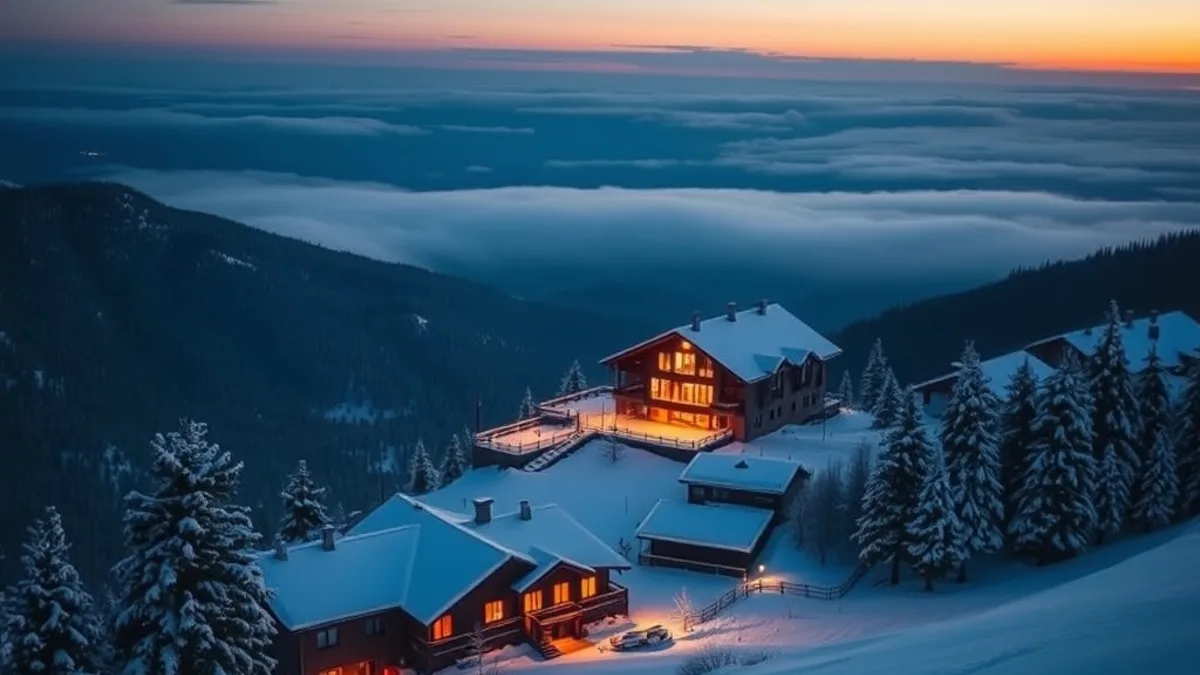
Winter is when Switzerland’s famous ski resorts hit their stride, and their hotel prices follow. In places like Zermatt and St Moritz, room rates during the December-April season often run 30-60% above what the same hotels charge in shoulder months. The mountain scenery does not change, but the price tag certainly does.
The steepest spikes cluster around the weeks everyone wants: Christmas, New Year and February half-term. These dates command the highest winter rates and tend to sell out first, sometimes many months in advance. If your dates are flexible, shifting a ski trip by even a week or two on either side of these peaks can noticeably soften your hotel bill.
What you pay extra for: location and the view
Within any resort, the winter premium is not spread evenly. True ski-in ski-out hotels, where you can click into your skis at the door, carry the steepest markups, as do snow-view suites with balconies over the slopes. A room a short walk from the lift or a few streets back from the panorama can cost considerably less while keeping you close to everything.
St Moritz in particular rewards travelers who understand its pricing rhythm, and it is worth reading a detailed St Moritz winter booking guide before committing to dates. The key takeaway for any alpine resort: decide early whether peak-season convenience is worth the premium, or whether quieter, cheaper weeks better suit your budget.
Summer Costs in Cities and Lake Towns: Zurich, Geneva, Lucerne and Montreux
Swiss city hotels follow a different rhythm from the ski resorts. In Zurich, Geneva and Lucerne, summer rates typically peak in July and August, when festival calendars fill the streets and warm weather makes lake swimming, boat trips and terrace dinners part of the appeal. Business travel adds to the mix in Zurich and Geneva, so midweek summer rooms can be surprisingly expensive even outside the tourist rush.
The interesting flip is what happens in winter. City hotels like those in Zurich and Geneva are usually cheaper in winter weekends than in summer, because the business crowd thins out on Fridays and Saturdays and leisure travelers head for the mountains instead. If your goal is an affordable stay in a major Swiss city, a winter weekend often delivers the lowest urban rates of the year, and you get Christmas markets or snowy old-town views as a bonus.
How lake towns behave
Lakeside destinations sit somewhere in between. Montreux and Lausanne see strong demand in summer, when the Riviera microclimate, flowered promenades and lakeside events draw visitors, but their price swings are generally milder than what you’ll find in ski resorts, which can jump dramatically between seasons. Montreux in particular holds its appeal much of the year thanks to the gentle climate, so rates don’t collapse outside summer the way some alpine villages do. For a closer look at what the area offers, this guide to Montreux Riviera hotels and lakeside luxury stays covers the town in detail.
Practically speaking, if you want a lake-view room in Montreux or Lucerne for July or August, expect peak pricing and book early. If you’re flexible, a winter weekend in Zurich or Geneva can be one of the best-value city stays Switzerland offers all year.
Shoulder Seasons: May, October and Early December Bargains
If your goal is value rather than perfect snow or peak lake weather, the shoulder months are where Swiss hotel pricing softens the most. In May and October, both city hotels and alpine towns commonly quote rates 20-40% below their high-season levels. The weather is often pleasant, trails are quieter, and hotels still run close to full service.
Early December deserves special attention from skiers. Before the mid-December rate surge kicks in, many resorts open their first lifts, and you can sleep in a full-service alpine hotel at a fraction of peak cost. Snow cover in early December can be thin and limited to higher slopes, so check lift and piste status before you commit.
The trade-off is reduced operations. Some mountain lifts, wellness areas and hotel restaurants run shortened schedules or close entirely between seasons, especially in smaller villages. Larger resorts tend to keep more running; tiny hamlets can feel half-shut. If a specific cable car or spa matters to your trip, confirm it is operating before booking. For a sense of what a well-run alpine property offers outside peak weeks, this Grindelwald hotel guide for mountain views and premium stays is a useful reference.
- May suits hikers who prefer solitude: lower trails are usually walkable even when higher routes still hold snow, and you get spring pricing on valley hotels.
- October brings larch season: golden forests, crisp air and harvest-time menus, with far fewer tour groups than summer.
- Early December ski days are uncrowded: lift lines are short, which can make limited terrain feel like plenty.
- Ask about facility closures before paying: pools, saunas and some restaurants may be closed for maintenance between seasons.
When to Book: Lead Times for Winter and Summer Stays
Timing your booking matters as much as picking the right season. Swiss hotels in popular alpine destinations often fill up far in advance, and the best rooms and rates rarely wait for last-minute travelers. The lead time you need depends heavily on where you are staying and when, so it helps to work backwards from your travel dates before you commit to anything. A useful habit is to decide your dates first, then set reminders for the relevant booking window. That way you are searching when inventory is still healthy rather than scraping through whatever rooms remain. Keep in mind that flexible-cancellation rates can be a smart choice for trips booked months out, since plans sometimes change. Always check the current cancellation terms before paying, as they vary widely between hotels and booking platforms.
- Count back 4-6 months for a winter ski-resort stay. If you plan to ski between December and February, start looking at hotels in spring or early summer. Resorts like Zermatt and St Moritz see heavy demand during the winter high season, and the most desirable rooms go first.
- Book even earlier for Christmas and New Year. These peak weeks sell out first and command the highest winter rates. Many regular guests rebook the same week year after year, so if you want a festive alpine stay, secure your room as soon as your dates are fixed, ideally well over six months out.
- Allow 3-5 months for summer alpine hotels. Mountain hotels in July and August fill up with hikers and families, though demand is usually a notch below the winter ski rush. Booking in spring gives you a solid choice of rooms and better rates than waiting until June.
- Give city hotels 2-3 months in summer. Urban stays in Zurich, Geneva or Lucerne are more forgiving on lead time, but summer is their peak. Booking two to three months ahead typically secures better rates and a wider room selection than a last-minute reservation.
One practical tip: set calendar reminders for these booking windows rather than relying on memory. Prices in Switzerland rarely drop closer to arrival during high season, so waiting usually costs you money rather than saving it. If your dates are flexible, checking rates across several weeks before committing can reveal meaningful differences, but once you have found a good rate in the right window, locking it in is usually the smartest move. It also pays to compare booking directly with the hotel against the major platforms, since small family-run properties sometimes offer better terms, extras like breakfast, or a friendlier cancellation policy when you contact them yourself.
Choosing the Right Season for Your Trip Type
The right season depends less on the calendar and more on what you actually plan to do. A trip built around skiing has different demands than one built around hiking trails or lakeside afternoons, and the cheapest month for one traveler can be the worst possible choice for another.
If snow reliability matters to you, aim squarely at winter high season, roughly mid-December to early April. Yes, you will pay peak prices, and in resorts like Zermatt or St Moritz that can mean rates well above shoulder-season levels. But early or late-season trips carry a real risk of thin cover on lower slopes, so paying more for mid-winter dates often buys something money cannot easily replace elsewhere: dependable snow.
Hikers and lake lovers have it easier. June and September sit just outside the July-August peak, yet trails are usually walkable, cable cars run, and the water is warm enough for a swim on a good day. You get most of the summer experience at a noticeably lower cost, with quieter paths and easier restaurant bookings as a bonus.
Budget travelers should look at May and October, when both cities and alpine resorts soften their rates. These months suit travelers who care more about scenery, museums and mountain views than about swimming or skiing. A quick way to match your trip type to the calendar:
- Ski and snow trips: target mid-December to early April and lock in your room well ahead of the winter rush; the holiday weeks at the height of the season carry the steepest rates and sell out first.
- Hiking and lake trips: choose June or September to dodge July-August pricing; note that some high-altitude lifts open later in June, so check lift schedules for specific routes.
- Budget city breaks: May and October work well, and winter weekends in cities like Zurich and Geneva are often the cheapest urban stays of the year.
- Flexible travelers: early December combines pre-Christmas ski access with rates 20-40% below peak in many towns, before the mid-December surge begins.
Wrapping Up the Summer vs Winter Hotel Picture
So which season costs more? It depends on where you sleep. Winter drives the highest hotel rates in ski resorts like Zermatt and St Moritz, while summer pushes prices to their peak in cities and lake towns such as Zurich, Geneva and Lucerne. The same Swiss town can flip from bargain to premium depending on the month, so match your season to your destination rather than assuming one time of year is always cheaper.
For the widest savings across the country, aim for May, October and early December, when rates often sit 20-40% below peak. As for timing, booking 3-6 months ahead, depending on the season and destination, secures the best available rates. If you found this breakdown useful, leave a comment with your own Swiss hotel experiences or share this article with a fellow traveler.