Glamping in the Swiss Alps sounds dreamy until you actually have to pick a season. You picture a glass dome under starry skies or a luxury tent on a green meadow, but then the doubts creep in: will it be too cold, too crowded, or too expensive? The truth is that each season delivers a completely different experience, and choosing wrong can mean shivering through the night or paying peak prices for fogged-in views.
This guide breaks down your options so you can match the season to your travel style. We’ll cover why timing matters, what summer peak season really looks like, and why the shoulder months of June and September often hit the sweet spot. You’ll also learn what winter glamping in heated domes and cabins involves, which regions like Interlaken and the Zermatt area work best, what to pack, and how to choose your season at a glance.
Why Timing Matters for Glamping in the Swiss Alps
The Swiss Alps are not one destination but several, depending on when you arrive. Alpine weather swings dramatically between seasons: the same meadow that bursts with wildflowers in early summer can be buried under deep snow a few months later. That shift changes everything about your stay, from which trails are open to what you see from your tent and what actually fits in your suitcase.
Timing also has a direct effect on your wallet. Rates and availability differ sharply between the peak summer months, the quieter shoulder months and the winter dome season, with nightly prices across the year ranging roughly from CHF 150 to 600. A dome that books out half a year in advance in peak season may be easy to reserve at short notice in quieter months, often for considerably less money.
What each season gives you
The right season ultimately depends on what you want to look at. If green meadows, open trails and swimming in alpine lakes matter most, aim for the main glamping season, which runs roughly from May to October. If you prefer golden larches, crisp air and quieter paths, the shoulder months deliver that atmosphere. And if snow-covered peaks seen from a heated glass dome is the dream, winter is your window.
Whichever you choose, remember that altitude keeps things unpredictable. Even in warm months, nights cool off noticeably, and rain or quick weather changes can happen in any season. Picking your dates with the landscape in mind, rather than just the calendar, is what separates a good glamping trip from a great one.
Summer: Peak Season for Glamping in the Swiss Alps
July and August are the heart of the glamping season in the Swiss Alps. Days are at their warmest, daylight stretches late into the evening, and everything is open: high mountain trails, cable cars, swimming lakes and every facility your site offers. If you want the classic Alpine summer experience, this is when you get it in full.
The trade-off is demand. Summer is peak season, so expect the highest rates of the year, often CHF 300-600 per night for a well-equipped tent or dome. Popular spots around Interlaken and Gstaad fill up fast, and even smaller sites see steady turnover. Booking 3-6 months ahead gives you the best choice of tents and domes; last-minute summer availability is usually limited to weekday gaps or less sought-after structures.
One thing that surprises many first-time glampers is the cold. Even in midsummer, nights in the Alps often cool to 5-10°C, so pack layers, warm socks and something cozy for evenings outside. Days can be genuinely hot in the valleys, but once the sun drops behind the peaks, you will appreciate that extra fleece.
- Swimming lakes such as those near Interlaken are at their most inviting in July and August, when water temperatures are warm enough for a proper swim after a hike.
- Afternoon thunderstorms are a summer pattern in the mountains, so plan hikes for the morning and keep a flexible indoor option for wet afternoons.
- Long daylight hours mean you can fit in a full day hike and still enjoy dinner outdoors, though check whether your site has blackout options if light-sensitive sleepers are in your group.
- Midweek stays in summer are typically easier to book and quieter than weekends, when local visitors join the crowds at lakes and trailheads.
Shoulder Seasons: June and September
If you want the Swiss Alps at their most photogenic without peak-season prices, June and September are the months to target. These shoulder weeks sit either side of the busy July-August window, and they change the character of a glamping trip completely. Valley temperatures typically sit around 10-20°C, which is comfortable for hiking, cycling and lazy afternoons outside your tent or dome.
June: Blooming Meadows and Quiet Trails
June brings the Alps to life. Lower meadows turn green and fill with wildflowers, cows head back up to summer pastures, and waterfalls run strong on snowmelt. Because schools in much of Europe have not yet broken for summer, you will share trails and villages with far fewer visitors than in July or August. Days are long, too, giving you plenty of daylight after an afternoon check-in.
September: Clear Skies and the Best Value of the Year
September is arguably the sweet spot for alpine glamping. Stable high-pressure days often deliver exceptionally clear skies, and the first larches begin turning gold toward the end of the month, adding early autumn color to the slopes. The air feels crisp, visibility is excellent for photography, and popular viewpoints calm down noticeably once the summer holidays end.
Your budget stretches furthest in September. Nightly rates at many sites typically drop to around CHF 150-350, a meaningful saving compared with peak summer. Availability is also easier: you can often book a few weeks ahead rather than months, though popular domes with panoramic views still fill first. If flexible timing is an option, aim for the first half of September for the best balance of mild weather, open facilities and lower prices.
Winter Glamping: Snow Domes and Heated Cabins
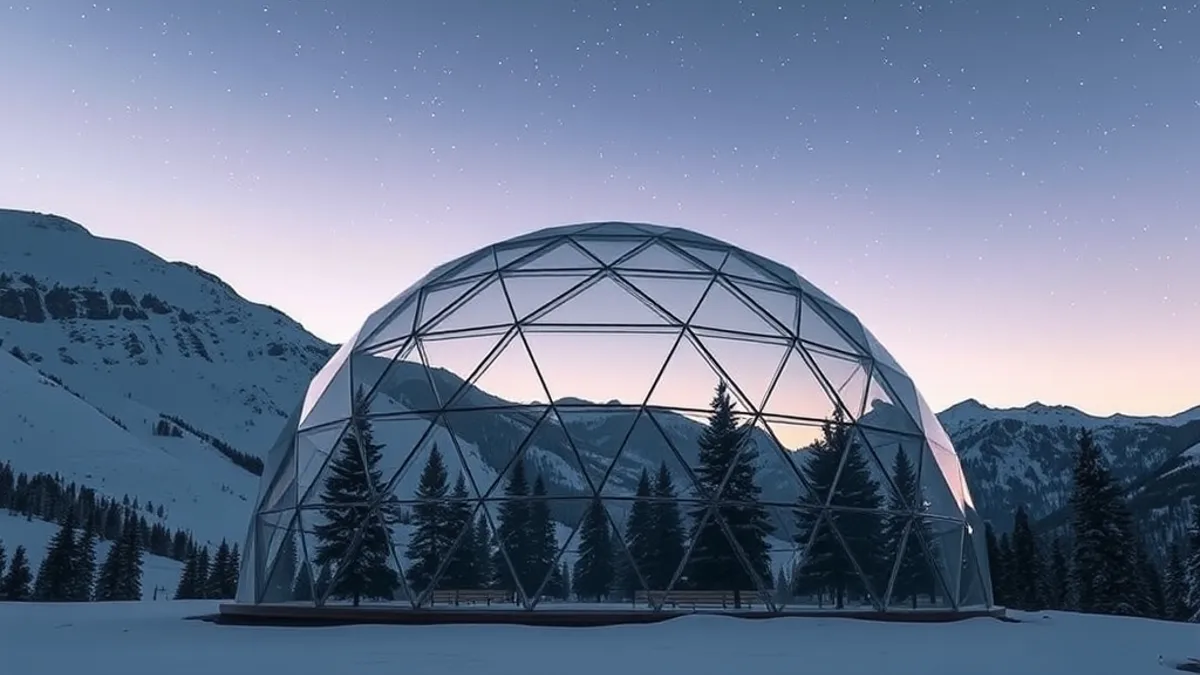
Winter turns alpine glamping into something closer to a boutique hotel experience under snow. From December to March, a small number of sites run heated glass domes and insulated cabins, so you can watch snowfall from bed or lie back and stargaze on clear nights. Interiors are built for comfort: thick insulation, warm lighting and, in many units, a wood stove crackling in the corner.
The trade-off is price. Winter is the top of the range for glamping rates, with heated domes and cabins often costing CHF 400-600 per night. You are paying for scarcity as much as comfort, since only a fraction of alpine glamping sites operate through the cold months at all.
Access deserves a close look before you book. Some remote sites sit at the end of mountain roads that are not cleared in winter, and arrival may involve a snowshoe walk from the nearest parking area or a scheduled shuttle. Ask the operator exactly how you reach the unit, what happens if a storm hits on check-in day, and whether luggage transport is included.
- Winter capacity is far smaller than in summer, so book 4-6 months ahead rather than a few weeks out.
- Confirm how heating works overnight: wood stoves may need reloading, while some domes rely on electric or underfloor heating that runs continuously.
- Ask about power and water in freezing conditions, as a few remote cabins shut off outdoor taps or reduce amenities in deep winter.
- Check cancellation terms carefully, since winter storms occasionally make access impossible and flexible policies matter more than in summer.
Where to Go: Best Regions for Alpine Glamping
The Swiss Alps offer several distinct glamping regions, each with its own personality. The trick is matching the setting to your travel style: some travelers want adrenaline and lakes, others prefer designer domes within walking distance of a fondue dinner.
Interlaken sits between Lakes Thun and Brienz and is arguably the most convenient base for first-time glampers. The area combines dramatic lakeside scenery with paragliding, canyoning and easy access to hiking trails, and it also has one of the strongest selections of glamping sites in the country. If you want options and activities on your doorstep, start here.
Gstaad and the wider Bernese Oberland lean more upscale. Think stylish domes and safari tents pitched near polished villages where chalet chic is the local dress code. This region suits travelers who want their mountain escape paired with good restaurants and a slower pace.
The countryside around Lucerne is a smart pick for shorter stays. Rail connections from Zurich are quick and frequent, so you can step off a train and be settled into your tent within a few hours of landing. For a deeper look at the city itself, this Lucerne travel guide for scenic travel and premium stays covers the essentials.
- Zermatt area: sites here trade convenience for views — the village is car-free, so expect to arrive by train and walk or use electric taxis with your luggage, in exchange for waking up to Matterhorn panoramas.
- Interlaken bonus: its two lakes mean you can add swimming, paddleboarding or boat trips to a hiking-focused itinerary without changing base.
- Gstaad practicality: upscale also means higher demand in peak weeks, so confirm availability early even outside the busiest months.
What to Pack and What to Expect On Site
Packing for an alpine glamping trip is all about layers, no matter which month you choose. A sunny afternoon in the valley can easily reach 25°C, yet the same day can end with a noticeable chill after dark. Think t-shirts and a light shirt for the day, plus a warm fleece, a proper jacket and cozy socks for evenings on the terrace.
Footwear matters too. Sturdy shoes or light hiking boots handle grassy tent platforms, gravel paths and morning dew far better than sandals. In winter, add insulated boots, a hat and gloves, since you will likely be walking across snow to reach your dome or cabin.
What the sites actually provide
One of the pleasant surprises of glamping in the Swiss Alps is the comfort level. Most sites offer real beds with proper mattresses, some form of heating such as a wood stove or electric heater, and private bathrooms rather than shared facilities. That said, standards vary, so confirm exactly what is included before you book, especially for remote sites or smaller structures.
It is also smart to ask about kitchen access, breakfast options and whether towels and bedding are provided. A quick email to the host saves you from hauling gear you do not need.
Plan for a rainy day
Rain is possible in any month in the Alps, even in peak summer. Rather than treating a wet day as a write-off, build in indoor alternatives: a spa or thermal bath visit, a day trip to a nearby village, or a long lunch at a mountain restaurant. Most glamping sites sit within reach of at least one town worth exploring, so a gray afternoon can easily become one of the highlights of your stay.
Choosing Your Season at a Glance
So, which season should you pick? If you want long days, warm-weather hiking and family-friendly facilities, summer in July and August is your answer, as long as you book three to six months ahead and accept peak prices and crowds. If value matters most, June and September are hard to beat: mild valley temperatures, quieter sites and noticeably lower rates.
Winter is a different kind of trip altogether, best suited to snow lovers who book heated domes well in advance for stargazing and white peaks. Whatever you choose, match the region, the season and the structure type to your budget, and the Alps will reward you at their best. Have a favorite season or a question about your trip? Leave a comment below or share this article with a fellow traveler.