Trying to book maldives resorts can feel like a guessing game. Prices swing wildly between the dry and wet seasons, and timing matters more than most travelers expect. Book too late for a December trip and you may pay hundreds more per night or find the best overwater villas gone. Book too early without a plan, and you can miss out on wet-season deals that reward patience. This guide breaks down exactly when to book, what you’ll pay, and what weather to expect.
We’ll start with the Maldives seasons at a glance, comparing the dry season from December to April against the wet season from May to November. Then we’ll cover booking windows for peak-season travel and the shoulder months, how room rates change by season, and what rain, wind, and sea conditions look like month by month. Finally, we’ll help you match your booking to your trip style and budget, and finish with a simple timing checklist so you can lock in the right resort at the right price.
Maldives Seasons at a Glance: Dry Season vs Wet Season
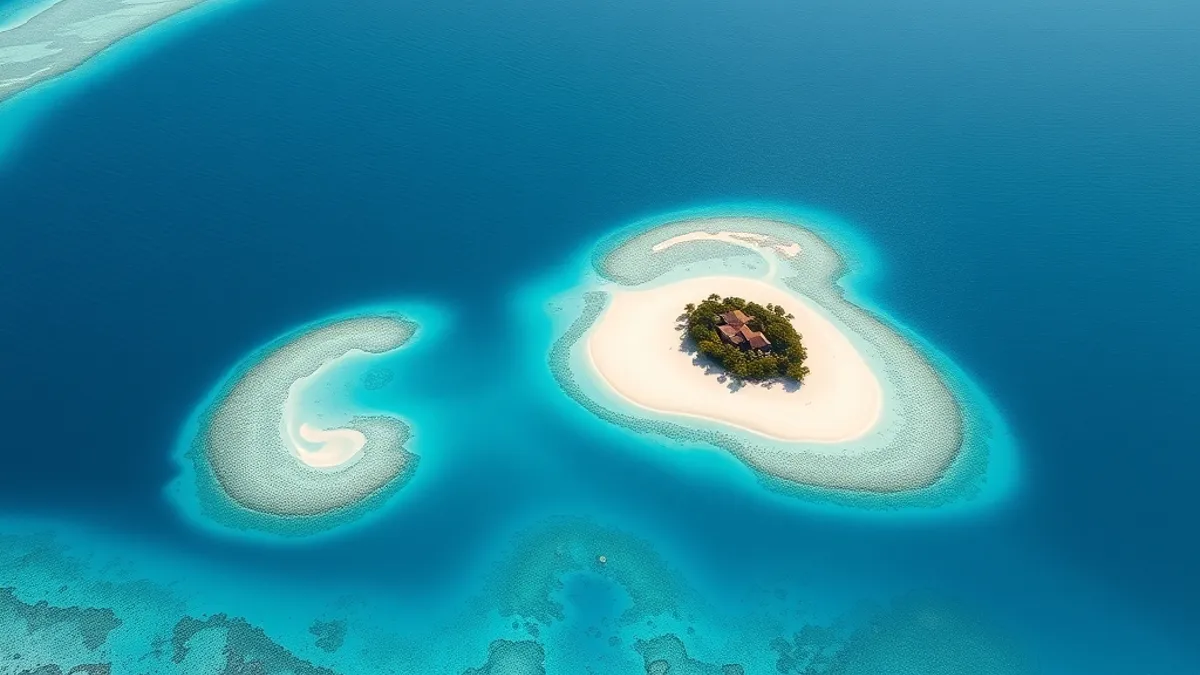
The Maldives really has just two seasons, and knowing how they work is the foundation for every booking decision you’ll make. The dry season runs from December to April and delivers exactly what most travelers picture: minimal rain, calm turquoise lagoons and long sunny days. It’s also when everyone wants to visit, which is why demand and resort rates hit their peak during these months.
The wet season stretches from May to November. Before you write it off, understand what “wet” actually means here: short rain showers, often passing quickly, rather than days of solid gray skies. Seas can be rougher, especially on crossings between atolls, but the trade-off is significant. Room rates typically drop 30-50% compared to peak season, and availability is far easier to find.
It’s About Rain, Not Heat
One thing that surprises many first-time visitors: the temperature barely changes all year. The Maldives sits close to the equator, so you can expect around 28-31°C regardless of when you go. The seasons differ mainly in rain and wind, not heat. Pack the same light clothing in July as you would in January.
Within each season, some months stand out. January and February are the driest and sunniest of the year, which is why they’re prized by snorkelers and divers. On the other end, May and June see the most rainfall. If you want a middle path, the shoulder months offer a well-known balance of decent weather and lower prices.
When to Book Maldives Resorts for Peak Season Travel
Peak season in the Maldives, running December to March, is when demand is strongest and availability tightest. Room rates climb well above wet-season levels, the most sought-after villa categories fill first, and resorts add minimum-stay requirements around the holidays. If you want an overwater villa during these months, timing your booking matters more than on any other type of trip. Here is how to approach it.
- Plan for a 6-11 month booking window. For stays between December and March, start looking and booking six to eleven months before travel. This gives you real choice across resorts, room categories and flight times instead of settling for whatever is left.
- Secure overwater villas earliest. These villas are the first category to sell out in peak season, often nine to eleven months in advance. If an overwater villa is the centerpiece of your trip, treat it as the first thing you reserve, even before flights.
- Book Christmas and New Year dates as early as possible. The holiday stretch is the single most demanded period of the year. Ideally lock in your dates by early in the year of travel, since minimum-stay requirements and premium rates tighten fast as December approaches.
- Avoid booking inside three months of travel. Whatever remains at that point usually carries premium rates, and you will likely face limited room types and rigid stay requirements rather than bargains.
One practical tip: before you commit, compare how peak-season pricing works against other premium destinations you may be considering. Reading a Zurich luxury resorts booking guide for lakefront escape and premium experience can help you calibrate what a high-end room rate should actually include, from service levels and spa access to inclusions such as transfers, breakfast and dining credits. That kind of benchmark is useful because a steep nightly rate means little on its own. In the Maldives especially, a higher peak-season rate often bundles seaplane transfers, meal plans and house-reef extras that would otherwise cost hundreds more, so weigh the full package rather than the nightly figure alone. Ask the resort directly what is included, get it confirmed in writing, and only then compare it fairly against alternatives elsewhere.
Booking Windows for Wet Season and Shoulder Months
If your dates fall between May and November, you have far more flexibility than peak-season travelers. Booking 3 to 6 months ahead is usually enough to secure the room type you want, often at a comfortable rate. That said, there is little downside to booking earlier if you have your heart set on a specific villa category, since early birds sometimes catch promotional rates.
The shoulder months of May, June and November offer the best price-to-weather balance of the entire year. Yes, you may encounter some showers, but the savings can be substantial, and the rain often arrives in short bursts rather than ruining whole days. For many travelers, these months deliver the smartest value in the Maldives.
Are last-minute wet-season deals worth waiting for?
Last-minute deals do appear during the wet season, especially as resorts try to fill unsold inventory. However, treating this as a strategy carries real risk. Popular islands can still fill up in July and August, when European summer holidays drive demand despite the rain. If you are set on a well-known island or a specific resort, waiting for a discount can leave you disappointed or paying more than if you had booked early.
One of the biggest advantages of shoulder-month bookings is access to midrange resorts that would be unaffordable in peak season. Properties that command premium rates from December to April often drop into reach between May and November, letting you stay somewhere you would normally skip. If you have moderate flexibility with your dates, check how the same resort is priced in May or June versus February — the difference can be striking, and it may upgrade your whole trip.
How Much Maldives Resorts Cost by Season
Maldives resort pricing swings more than almost any other beach destination, and the season you pick is the single biggest factor. The same overwater villa that feels out of reach in February can become genuinely affordable in June, once you factor in how rates move between the dry and wet season. Understanding where you fall on the price ladder makes it much easier to match a resort to your budget.
At the bottom end, budget island resorts on local islands and simpler private islands start around $150-300 per night during the wet season. These are usually guesthouse-style rooms or basic beach bungalows, often on islands where you eat at local cafes rather than a resort restaurant. They’re a genuine way to experience the lagoons and reefs without a five-figure bill.
Midrange resorts typically run $400-800 per night, climbing toward the top of that range during the December-April dry season. At this level you generally get a proper resort island, full board or half board options, a beach villa, and good house reefs. Moving up from there, luxury overwater villas range from $1,000 to $3,000+ per night at peak, especially around the holidays.
- Meal plans matter more than you’d think: at midrange and luxury resorts, half board or all-inclusive can add a meaningful amount per person per night, so compare quoted rates with and without meals before booking.
- Seaplane transfers are usually priced separately from your room and can add several hundred dollars per person round trip, which changes the real cost gap between a cheap island and a remote luxury atoll.
- Wet-season rates often include added value like free upgrades, discounted spa treatments or honeymoon perks, so the real savings can exceed the sticker-price difference.
- Christmas, New Year and Chinese New Year weeks sit above even normal dry-season pricing, with some luxury villas quoted at the very top of the $3,000+ range.
Weather by Month: Rain, Wind and Sea Conditions
January and February are the standout months for weather in the Maldives. Rainfall is minimal, the skies stay clear for long stretches, and the lagoons turn glassy and calm. This is also when underwater visibility tends to be at its best, which makes these months a favorite with snorkelers and divers who want to see the reefs at their sharpest.
March and April stay mostly dry, but you can feel the season shifting. Temperatures and humidity climb steadily, and the midday sun gets more intense. The sea usually remains calm and clear, so water activities stay excellent, though you may notice stickier evenings than earlier in the year.
May through July is the wettest stretch of the year. This is when the chance of multi-day rain is strongest, and cloudy afternoons are common. That said, downpours often come in bursts rather than lasting all day, and many travelers still enjoy plenty of time on the water between showers.
From August to October the weather turns mixed. Sunny spells alternate with passing showers, and the winds on the outer atolls pick up in a way that surfers actually welcome. Conditions for surfing on the outer atoll breaks are generally at their best during this stretch.
November is a transition month. Rainfall eases, skies improve, and the islands start gearing up for the dry season ahead. Because demand has not fully rebounded yet, it often pairs decent weather with shoulder-season pricing.
- Sea conditions shift with the wind: calm, flat lagoons in the first months of the year give way to choppier water and stronger currents during the wetter months, which affects which atolls are comfortable for swimming.
- Underwater visibility works in seasons: the clearest water typically comes with the dry, settled conditions early in the year, while heavier rain and stirring winds can reduce visibility on some reefs later on.
- Cloud cover matters as much as rain: even in the wettest stretch, showers are often short and intense rather than all-day, so you can still plan boat trips and excursions around the forecast.
- Surf season runs counter to beach season: the swell that surfers chase arrives during the wetter months, so the best waves and the calmest lagoons rarely coincide.
Matching Your Booking to Trip Style and Budget
The best booking window depends less on the calendar and more on what kind of trip you are planning. A honeymoon couple and a family with two teenagers often need completely different strategies, even if they travel in the same month. Start by identifying your priority: villa type, water conditions, surf, price or school holidays. Then work backward from that.
Honeymooners should aim for the heart of the dry season and book as early as the resort’s release calendar allows. The goal is not just a lower rate but choice: the most private overwater villas, the best sunset orientation and the top pool villas get picked over first, so early booking gives you the full menu instead of the leftovers. Many resorts also add honeymoon perks like room upgrades or a romantic dinner, but these usually need to be requested at the time of booking, not after.
Divers and snorkelers get the clearest water during the dry season, when visibility is at its best of the year. Calm seas also mean easier boat transfers and gentler surface conditions at snorkeling spots. These months are peak season, so book early and expect dive-focused resorts to fill their water villas first.
Surfers face a trade-off: the swell season runs from roughly May to October, which overlaps with the wet season. Rain showers are a real risk, but swells arrive regularly on the outer atolls, and rates sit well below dry-season levels. Book within the normal wet-season window and look at resorts or guesthouses with boat access to known surf points.
Budget travelers save the most in the shoulder months, when prices drop sharply and the weather is still workable. A booking made a few months out is usually enough, and this is the stretch when midrange resorts suddenly fit a modest budget.
Families with school-age children have the least flexibility. July and August are the natural school-holiday window, which pushes demand up even though it falls in the wet season. Lock in those dates well ahead, especially if you need a family room or a two-bedroom villa, because those configurations are scarcer than standard doubles.
- Honeymooners: ask specifically about east-facing versus west-facing villas, since sunrise and sunset views differ by side of the island and the best ones go first.
- Divers: check whether your chosen resort sits near channels known for larger species, and confirm dive-boat schedules before booking rather than assuming daily departures.
- Surfers: consider guesthouses on local islands near famous surf breaks, which cost a fraction of resort prices during swell season.
- Budget travelers: compare transfer costs, since a cheap room on a far-flung atoll can be offset by an expensive seaplane or speedboat ride.
- Families: look for resorts with kids’ clubs and shallow lagoons, and confirm child rates and interconnecting rooms in writing when you book.
Final Timing Checklist for Booking the Maldives
Choosing the right time to book a Maldives resort really comes down to one trade-off: weather versus price. The sunniest months between December and April bring the best conditions, but they also bring the highest rates and the earliest booking deadlines, so peak trips need a lead time of 6-11 months. The wetter months from May to November trade some rain for savings of 30-50% and far easier availability, with 3-6 months of lead time usually enough.
The price spread is wide. Budget wet-season rooms start around $150 per night, while a luxury overwater villa at peak can top $3,000. Match your booking window to your travel dates, lock in your lead time early, and those price swings stop feeling like a gamble. If this guide helped you plan your trip, leave a comment or share it with a fellow traveler.