Choosing between a lodge vs hotel vs resort is trickier than it should be, because marketing language blurs the lines. Safari “resorts,” tiny “hotels” with 20 rooms, and all-inclusive complexes all get used interchangeably, and travelers pay the price. Some overpay for inclusions they never use, while others book a stay expecting meals and activities included, only to find themselves paying for every coffee. Getting the stay type right is often the difference between a trip that flows and one that drains your budget.
This guide clears up the confusion. We’ll define what actually makes a lodge, a hotel and a resort different, from size and setting to what’s included in the rate. Then we’ll match each stay type to real trip scenarios, compare typical costs and booking windows, and look at how your destination should shape the choice. By the end, you’ll know exactly which stay type fits your trip and your wallet.
What Defines a Lodge, a Hotel and a Resort
At first glance, these three property types might all look like simple places to sleep. The real differences lie in size, location, what is included in the price, and how the property is designed to be used. Understanding these basics makes every later comparison much easier.
The lodge: built around the setting
A lodge is a small, often remote property built around a natural setting such as safari land, mountains or rainforest. The building usually takes a back seat to the landscape, with architecture designed to blend in rather than stand out. Because lodges sit far from towns and restaurants, meals are typically included in the rate. Lodges are usually small, often under 50 rooms, which keeps the atmosphere intimate and personal.
The hotel: a base for exploring
A hotel is an urban or transit-oriented property sold by the room. You book a room, and dining, spa treatments and other services are charged separately. Hotels rarely include meals, since restaurants and cafes usually sit just outside the front door. The property itself is rarely the point; it is a comfortable base for a trip that happens elsewhere.
The resort: a destination in itself
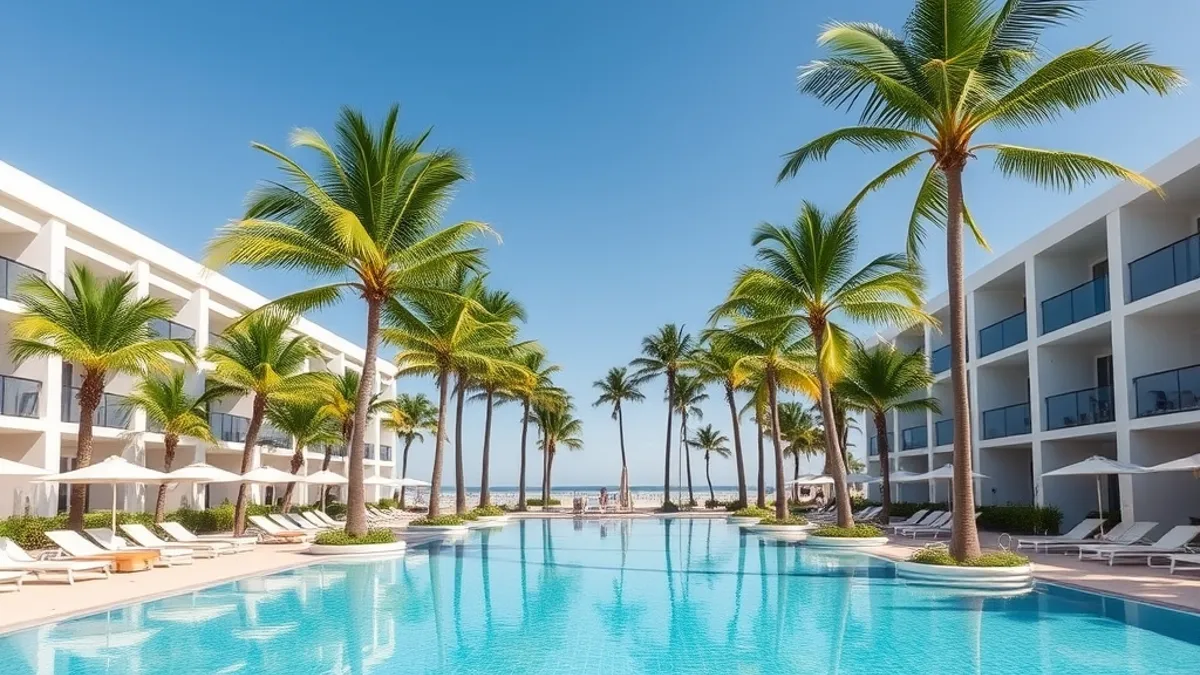
A resort sits somewhere in between on service but far above on scale. It is a large, self-contained property where accommodation, dining, pools, spa and activities all sit on one site. Guests can spend an entire stay without leaving, which is exactly the intent. Large resorts can exceed 300 rooms, and many add shops, entertainment and kids’ facilities to keep everything on-site.
Size is the most reliable quick signal when you are comparing properties. If a listing mentions fewer than 50 rooms and included meals in a remote location, you are almost certainly looking at a lodge. A room-only rate in a city center points to a hotel, while a property advertising pools, multiple restaurants and an activities program on one large site is a resort.
When a Lodge Fits Your Trip Best
Pick a lodge when the destination itself is the reason you are going. If your trip revolves around watching wildlife at dawn, waking up to alpine peaks, or falling asleep to rainforest sounds, the property is not just a place to sleep — it is the experience. Lodges are built around those settings, and everything from the daily schedule to the dining table is designed to keep you close to nature.
Lodges also suit a particular kind of traveler. If you value intimacy over nightlife, small communal dinners over a choice of five restaurants, and guided activities over spontaneous wandering, the lodge model will feel right. Most lodges pack the day with included excursions — game drives, guided walks, canoe trips — so you trade urban freedom for structured, expert-led time outdoors.
Budget expectations matter here. Safari lodges in particular typically run about $300 to over $1,500 per person per night, and that price is usually all-inclusive: meals, activities and often drinks are bundled in. That structure is standard because lodges sit far from any restaurant or shop, so the property has to provide everything. For a sense of what the high end looks like, this look inside a luxury safari lodge in South Africa shows what that per-person rate can buy.
Finally, plan for the journey, not just the stay. Remote lodges often sit hours from the nearest airport or paved road, and transfers are usually part of the package rather than an afterthought.
- Light-aircraft transfers are common. Many safari and jungle lodges are reached by small charter planes landing on bush strips, and seats are typically booked together with your room, with strict luggage weight limits.
- 4×4 transfers need timing. Some mountain and rainforest lodges sit at the end of rough tracks only passable by high-clearance vehicles, and arrival windows can be fixed, so coordinate your flight times with the lodge before booking.
- Transfers affect your arrival day. Because getting there can take a full day of flying and driving, plan to arrive a day earlier than you would for a city hotel, and build buffer time for weather delays on light-aircraft routes.
When a Hotel Is the Smarter Choice
Hotels shine when your trip revolves around the city itself. If your days are filled with museums, neighborhoods, restaurants and meetings, you only need a comfortable base to sleep and shower. Paying for a wave pool or a sprawling spa you will never touch makes little sense when the real attractions sit a subway ride away.
For short stays of one to four nights, the math is hard to beat. Mid-range city hotels commonly run $80–$250 per night for a well-located room in major destinations, which frees up serious budget for the experiences you actually came for: a long tasting-menu dinner, a guided walking tour or a day trip out of town.
Location should top your checklist, ahead of amenities. A modest room in a walkable district often beats a fancier property on the outskirts, because every hour spent commuting is an hour lost to the city. Walk out the door and you are already at the café, the gallery or the old town square.
When booking, keep a few practical points in mind:
- Compare neighborhoods, not just hotels. Check a map for the nearest metro stop, and read recent reviews for mentions of noise, since rooms facing a busy nightlife street can undercut an otherwise good rate.
- Check what the room rate actually covers. City hotels rarely include meals, and some charge extra for basics like early check-in or luggage storage, so factor those add-ons into your total.
- Use the hotel as a launch pad. Ask the front desk for restaurant reservations or transit advice on arrival; in dense cities, local staff knowledge often saves more time than any on-site perk.
Urban destinations like Geneva, where premium travel centers on city experiences rather than a single property, show why this approach works: the city is the resort, and the hotel is simply where you return at night. Skip meal plans, too. Eating out in a city is usually cheaper and far more interesting than hotel dining, and it doubles as sightseeing.
When a Resort Delivers the Most Value
Resorts shine when your holiday revolves around the property itself. Think of a beach week in the Caribbean or a ski trip where you want ski-in, ski-out access and a hot tub waiting at the end of the day. If you plan to spend most days on-site swimming, dining and relaxing, the resort’s premium starts to make sense.
All-inclusive resorts bundle meals, drinks and many activities into one upfront price, which makes budgeting simple. Full-service resorts often cost $200–$600 per night, with all-inclusive options at the higher end. If you would otherwise eat three restaurant meals a day plus pay for activities, the math can work in the resort’s favor.
Timing matters. Booking 3–6 months ahead secures the best rates and the widest choice of room categories in high season, whether that is a beachfront suite or a slope-side family room. Ski travelers planning a trip to the Swiss Alps can find specific property advice in this Zermatt resort booking guide for ski trips and premium chalets.
Before you book, compare what is actually included, because inclusions vary widely between properties:
- Spa treatments: some resorts include a daily treatment or credit in the rate, while others charge per session, so check whether the spa is part of the package or an extra line on your bill.
- Water sports: kayaks and snorkeling gear are often free at beach resorts, but motorized options like jet skis and diving trips usually cost extra.
- Kids’ clubs: family resorts may include supervised children’s programs in the rate, while others charge per day or per session, a big factor if you are traveling with young children.
- Alcohol and premium dining: all-inclusive plans differ on whether top-shelf drinks and specialty restaurants are covered or carry surcharges, so read the fine print before comparing prices.
Comparing Costs, Inclusions and Booking Windows
How each stay type quotes its prices shapes what you actually pay. Lodges typically price per person and build meals into the rate, since there may be no other place to eat for miles. Hotels quote per room and leave dining to you, while resorts use both models: some charge per room, others sell all-inclusive packages that bundle meals, drinks and activities into one upfront price.
This is why comparing nightly rates alone misleads. A city hotel room that looks like a bargain can easily grow by 50% or more each day once you add dinner, drinks and a few paid extras, putting it close to the nightly cost of an all-inclusive resort. Before booking, add up meals, transfers, activities and fees for each option, then compare total trip cost rather than the headline rate. The cheapest sticker price often belongs to the stay that leaves the most off your bill later.
When to book for high season
Peak windows differ by stay type and destination. Ski resorts fill up December through March, safari lodges are busiest during the dry months when wildlife viewing is at its best, and beach resorts peak during the local summer. Prices and availability shift accordingly, so the same room can cost very different amounts depending on when you go.
Lead times matter just as much. Resorts generally reward booking 3–6 months ahead for high season. Lodges in remote areas often need the longest runway of all: top safari lodges can fill 6–12 months out, especially for small properties with limited rooms. If a specific lodge is on your list, contact it as early as possible and ask about cancellation terms before committing.
Matching the Stay Type to Your Destination
The destination you pick often decides the stay type for you. In the Alps, you genuinely have both options. Chalet-style lodges deliver wood-beam atmosphere, fireplaces and a quieter base after the slopes, while large mountain resorts trade that intimacy for ski-in ski-out access, equipment rental and ski schools right at the door. If your days revolve around skiing itself, the resort usually wins; if evenings and views matter more, the lodge does.
Desert, jungle and savanna regions lean heavily toward lodges. There, the setting and the guided activities are the entire point, and a self-contained resort with a pool deck would feel out of place. Coastal and island destinations flip the logic: resorts dominate because families want on-site dining, kids’ activities and a beach steps from their room. Cities almost always favor hotels, since lodges and resorts rarely justify their premium downtown when everything worth seeing is outside the property anyway.
A few destination-specific checks worth making before you book:
- Alpine lodges and valley location: some chalet-style lodges sit in villages a shuttle ride from the lifts, so confirm how you will reach the slopes each morning if you plan to ski daily.
- Savanna lodge access: many safari properties are reached by light aircraft or 4×4, so build transfer time into your itinerary rather than treating it as an afterthought.
- Island resorts and weather windows: tropical coastlines have distinct wet and dry seasons, and a resort stay feels very different in each, so match your dates to the region’s drier months.
- City hotel neighborhoods: in major cities, a hotel two metro stops from the center often costs noticeably less than one in the tourist core, with a small trade in convenience.
Choosing Your Stay Type With Confidence
The answer comes down to how you plan to spend your days. If the destination itself is the point—wildlife, mountains, jungle—a lodge delivers the guided activities and included meals that make remote travel work. City trips favor hotels, where you pay for a well-located room and spend the rest on restaurants and sights. Beach and ski holidays favor resorts, where you want dining, pools and activities on-site rather than driving out for everything.
Two habits prevent the wrong booking. First, compare total trip cost, not the nightly rate, since a cheaper room plus outside meals can match an all-inclusive price. Second, book early: resorts and lodges in high season typically need 3–6 months of lead time to secure the best rates and rooms. Match the stay type to the time you will actually spend at the property, and you will rarely overpay again. If this helped you plan, leave a comment or share the article.