Choosing a lodge stay sounds simple until you start comparing options. Safari lodge, ski lodge, wilderness lodge, fishing lodge — the labels overlap, the photos all look cozy, and the prices swing wildly for reasons that are rarely explained. Many travelers end up paying a premium for amenities they never use, or booking a rustic cabin when they wanted a full-service resort.
This guide breaks it down step by step. We’ll explain what actually counts as a lodge and the main types you’ll encounter, how to match the setting to your trip, and which amenities genuinely justify a higher rate. We’ll also walk through what a lodge stay costs from budget to luxury, when to book for the best deals, and how to compare two or three finalists before you commit. By the end, you’ll know exactly what you’re paying for — and what to skip.
What Counts as a Lodge? Main Types Explained
When travelers hear the word “lodge,” they often picture a rustic wooden building in the mountains. That image fits, but the category is broader than most people realize. Lodges share a few common traits: they’re usually smaller than full-service hotels, they lean into their natural surroundings, and they tend to feel more personal, with communal spaces and staff who know the area well.
Where you stay shapes what your days look like. A lodge near a ski lift means you can be on the slopes minutes after breakfast, while a remote wildlife lodge might have you waking before dawn for a guided game drive. Knowing the main types helps you match the property to the trip you actually want, rather than booking on looks alone.
- Ski lodges: Positioned close to the slopes, these typically include a boot room with heated drying racks, direct lift access or a short walk to the gondola, and gear storage so you’re not hauling skis through the lobby.
- Wildlife and safari lodges: Built in remote settings, these center the stay around guided excursions such as game drives, walking safaris or birding trips, often led by resident guides who track animal movements daily.
- Alpine chalet-style lodges: These emphasize self-catering, with full kitchens for cooking your own meals, plus shared lounges with wood stoves where guests gather in the evening.
- Eco and wilderness lodges: Designed around sustainability, these often use solar power, local materials and rainwater collection, and structure activities like guided forest walks or stargazing around low-impact nature immersion.
Each type comes with trade-offs. A ski lodge puts convenience first but may feel busy during peak weeks, while a wilderness lodge offers quiet and scenery at the cost of longer transfers and fewer dining options. Chalet-style lodges suit groups and longer stays where cooking saves money, and eco lodges reward travelers who care more about the setting than thread count.
Location and Setting: How to Match a Lodge Stay to Your Trip
Location is the biggest driver of both price and experience at a lodge, so start by deciding what your trip is really about. If you’re booking around skiing, ask yourself whether slope-side access is worth the premium. Ski-in ski-out lodges can command 20-40% more than comparable properties in the valley, but that convenience can pay off in saved time and hassle, especially if you’re traveling with kids or gear.
Season and Setting
Timing shapes the setting as much as the rate. Alpine lodge stays work best between December and April if snow is the priority, while summer transforms the same region into a base for hiking and mountain biking. A lodge that lives off its ski location in winter may feel quieter but far cheaper in July, and trail access becomes the selling point instead of lift access.
Remote lodges deserve extra scrutiny. Wildlife and wilderness properties are often deliberately far from towns, which is part of the appeal, but it also means transfers matter. Before booking, check the distance to the nearest airport or train station and ask how long the final leg takes, whether it’s a shuttle, private transfer or self-drive. A lodge that looks well priced online can lose its value if the last stretch adds hours and unexpected transfer costs to every arrival. In winter, also consider how reliable mountain roads are, and whether you’re comfortable driving them yourself.
A practical rule of thumb: match the setting to your daily plans. If you want to be on the slopes by nine, pay for proximity. If your days are flexible or spread across a region, a valley lodge with good transport links often gives you more space for your money.
Amenities That Actually Matter in a Lodge Stay
Wellness facilities can make or break a lodge stay, especially on a ski trip. A sauna or hot tub that eases sore legs after a day on the slopes is worth far more than a fancy lobby or a rooftop bar. If you plan to use the spa, check whether it’s included in the room rate or charged as an extra, since some properties treat treatments and even hot tub access as add-ons.
Dining is the next big question. Many alpine lodges sit a drive away from the nearest restaurant, so a half-board plan that adds $40-80 per person per day can be the practical choice rather than an indulgence. You also get to gauge the kitchen over several dinners instead of gambling on one meal. If you’d rather stay flexible, look for lodges with a solid bar menu or a kitchenette. For a sense of what top-end lodge dining looks like, our guide to Zermatt luxury resorts for ski travel and premium chalets covers properties where the kitchen is a genuine highlight.
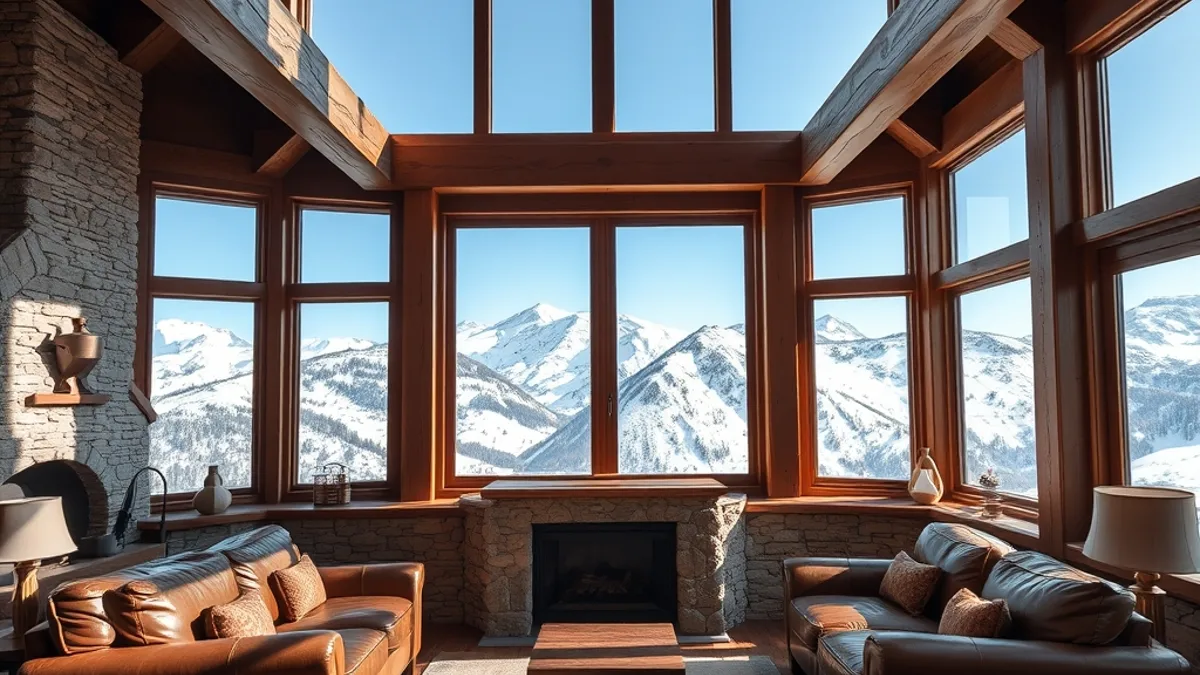
Room features matter more than photos suggest. Ask about heating quality, since a charming fireplace means little if the radiators struggle on a bitterly cold night. Mountain-view windows are lovely, but gear storage is what you’ll appreciate every single day of your trip.
- Fireplaces: confirm whether yours is wood-burning with logs provided or gas and decorative only, and whether housekeeping relights it for you.
- Windows: south-facing rooms get the best light for alpine views but can overheat in the afternoon, so ask about adjustable blinds or shading.
- Gear storage: a heated boot room with individual racks dries gloves and boots overnight, while an in-room ski locker saves morning queueing.
- Shuttles: if the lodge isn’t slope-side, check how often the shuttle runs, until what hour it operates, and whether it costs extra.
What a Lodge Stay Costs: Budget to Luxury
Lodge pricing falls into three broad tiers. Budget lodges typically run $80-150 per night and usually cover the basics: a clean room, shared or simple dining, and a good location a short distance from the action. Mid-range properties, generally $150-350 per night, add extras like on-site restaurants, wellness areas and more spacious rooms. At the top end, luxury lodges start around $400 and can easily climb past $1,000 per night, especially where gourmet dining, spas and personalized service are part of the package.
Timing matters as much as tier. During peak ski season, rates typically run 30-60% higher than in shoulder season, so the same lodge can feel like two completely different purchases depending on when you book. If your dates are flexible, shifting your trip even a week or two can bring a luxury property within mid-range budgets.
What you actually pay beyond the room rate
The nightly rate is only the starting point. Airport transfers, equipment rental and meals can add $100 or more per person per day on top of the room price. Remote lodges often quote rates as half-board or full-board for a reason: there may be no restaurant within driving distance, so food costs are unavoidable. Ask what the quoted rate includes before comparing properties, and factor in shuttle fees or parking charges if the lodge sits away from the slopes.
A practical habit: build a simple per-day budget that combines the room rate, meals, transfers and gear, then compare lodges on that total rather than the headline price. Two properties with similar nightly rates can end up $100 or more apart once the extras are counted.
Booking Timing and Smart Deals for Lodge Stays
Timing your booking can matter as much as picking the right lodge. Alpine lodges fill up fast during the December to April ski season, and the most desirable properties often release their best rates early. A little planning usually pays off, both in price and in choice of rooms. It also reduces stress: instead of settling for whatever is left in January, you can choose dates that fit your flights, your group and your budget. Families traveling during school breaks have the least flexibility, so they benefit most from an early start.
- Book 3-6 months ahead for peak-season trips. This window gives you the widest selection of rooms and chalet configurations before the calendar fills. If you have your heart set on a specific lodge or view, earlier is generally safer.
- Plan around holiday minimum stays. During Christmas and New Year weeks, many lodges require 2-3 night minimum stays, and some set longer ones. Build your dates around this so you are not surprised at checkout.
- Consider shoulder-season dates for better value. Early December and late April often come with noticeably lower rates, and the slopes are quieter too. Snow conditions can vary at these edges of the season, so check recent reports before committing.
- Compare offers across a few channels. Check the lodge’s own website alongside booking platforms, and ask directly about multi-night or early-booking deals. Some smaller lodges respond best to a simple email.
A few practical habits make this easier. Once you have a shortlist, note each lodge’s cancellation policy before you commit, since flexible terms let you adjust if flights or snow conditions change. Sign up for newsletters from two or three favorite lodges, because early-booking offers often reach subscribers first. And if you are traveling with a group, agree on dates before you inquire — lodges are far more responsive when you can confirm numbers and nights in your first message.
If the Alps are on your list, it helps to see how timing plays out in a real resort. Our Zermatt booking guide for ski trips and premium chalets walks through the specifics for one of the region’s most popular destinations. Wherever you go, set a reminder a few months before your target dates and book once you have compared your options. The lodges with the best locations rarely wait for late bookers, so a small amount of forward planning often makes the difference between your first choice and your third.
How to Compare Lodge Stays Before You Commit
Once you have a shortlist, the real work begins: comparing lodges against the trip you actually plan to take. Start with your itinerary, not the property’s brochure. If your days revolve around skiing, a heated boot room and a reliable sauna matter far more than a swimming pool or a rooftop bar. A traveler booking a mountain escape like the ones covered in this Zermatt ski resorts guide should prioritize slope access and wellness facilities, while a summer hiking trip might make packed-lunch options and early breakfast service the deciding factors.
Next, look past the nightly rate. A $250 room with no meal plan can end up costing more than a $300 room with breakfast and dinner included, especially in remote areas where the nearest restaurant is a taxi ride away. Add up airport or train station transfers, equipment storage fees, resort taxes and any mandatory extras before you compare two properties side by side. Ask the lodge directly what is and isn’t included, and get the answer in writing.
Finally, read reviews with a skeptical eye, focusing on recent ones from the same season you plan to visit. A glowing review from a July stay tells you little about how the property performs in January. Sort reviews by date and search them for specific keywords rather than skimming star ratings.
- Heating reliability: Search reviews for words like “cold room” or “heating” to see whether guests complain about warmth during cold snaps, since older lodges can struggle on the coldest nights.
- Service consistency: Look for patterns across multiple recent reviews rather than one-off praise or complaints; a single bad comment is noise, five similar ones are a warning.
- Noise levels: Check whether guests mention thin walls, creaky floors or late-night bar noise, and ask for a quiet room away from the lounge or lift when you book.
- Review recency and volume: Favor lodges with a steady stream of reviews from the past 12 months over ones with a handful of glowing write-ups from several years ago.
Wrapping Up Your Lodge Stay Choice
Choosing the right lodge comes down to three things working together: the type of lodge, its location and the amenities that genuinely fit your trip. Once you know whether you need a ski lodge with boot rooms, a remote wilderness retreat or an alpine chalet-style base, you can stop guessing which extras justify a higher rate and which ones you’ll never use.
The price ranges make comparison easier too. Budget lodges start around $80-150 per night, mid-range options sit at $150-350, and luxury properties run $400-1,000 or more, with peak season and slope-side access pushing rates higher. Book 3-6 months ahead for busy periods, and always compare the total cost of meals, transfers and rentals rather than the nightly rate alone. That’s how you land a lodge stay that matches both your itinerary and your budget. If this helped you plan your trip, leave a comment or share the article with a fellow traveler.